Knowing this can open your eyes to options you haven’t already thought about.
A summer job can be any of the following:
a job that only happens in the summertime
a job whose timing this year happens to match up with the coming summer
a job related to something that experiences a temporary or regular hiring boom, such as in the summer
a regular job that a company temporarily gives to a lower-salaried person until a full-time hire is found, such as a student available in the summer
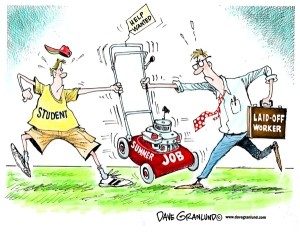
In other words, if you’re NOT a teenager, student or graduate, most summer jobs will probably not be relevant to your career unless you want to test a new direction or you work in a seasonal industry.
That said, you can use a summer job as a way to get your foot in the door of a targeted company, and then impress the employer into hiring you full-time.
Note: There is a poll embedded within this post, please visit the site to participate in this post's poll.
Now let’s take a look at what’s so special about summer job hunting.
Target industries that boom in the summer
Entertainment and tourism-oriented businesses do better in the summer as people go on vacation, everyone knows that, right? Yet there are lots of other industries that boom in the summer too for less obvious reasons. Read on for ideas below.
Be the first to apply …
Many summer jobs require little to no experience. To save time and money, many employers will hire the first reputable (read: trustworthy) candidates that apply.
… But you don’t have to be the first to apply
Many summer job openings are already filled by April, but with all that time until the jobs actually begin, things can come up and plans can change. Candidates may decide they prefer other jobs or not to work at all, and employers may realize they need more help than anticipated.
Treat application forms like resumes
Many summer jobs, such as at fast-food restaurants or retail stores, will want you to submit an application form instead of a resume (which many teens might not have anyway).
Spend the time to complete any forms correctly. If the form needs to be filled in by hand, take a few copies in case you make a mistake you can’t correct. Like with a resume, have someone reliable proofread your applications before you submit them.
Stay open to working multiple jobs
Currently applying for a possible third summer job
If you read my summer job history, you’ll notice that during 3 different summers, I worked more than one job. That was never planned in advance – although it could have been – but if you keep your eyes and ears open and stay ready, you can quickly jump to a better job or just another one if your first one ends early.
Experiment and take risks more readily
Are there are any job search tactics you’ve been too shy to try on your long-term career job search? Give them a shot during the summer when there’s less at stake. You’ll learn what works for you and what doesn’t, and build more confidence for when you really need it.
Play up your specific qualities
If you’re a teenager or student, aim for jobs where having a flexible schedule is important, or dealing with other teenagers and students.
If you’re an adult, aim for jobs where employers will feel more comfortable by your experience, or where you’ll need to work with people who might be uncomfortable dealing with teenagers and students.
Don’t start your own business unless…
… you can clearly make money immediately, or you won’t need to.
Summer is short and if you try the wrong idea, you might waste the whole summer without any returns for your efforts.
DO start your own business during the summer if you’re not desperate for cash right way and are hoping to time things so that earnings will arrive after the summer when you’ll need them more.
Aim to return next summer
Make this your last summer job search by impressing your employer so much they’ll want you to come back next summer.
When the summer ends, ask about returning and try to get a date during the year when you can followup for confirmation. But only if you actually liked working there…
It's my 4th day back and I already regret staying at this job for another summer
Download a checklist of The 50+ Mostly Unusual Places to Find Summer Jobs to keep track of where you applied while getting ideas for new places to try.
Click the image below to get access to The 50+ Mostly Unusual Places to Find Summer Jobs:
A few unique job interview tips to make you the one they want.
Photo credit: Pascal
This is a guest post by Thomas Taylor.
Job interviewers read and hear so many cliches these days that they just about walk and talk in their sleep during the recruitment process. No more “I should get the job because I’m honest, hardworking, and reliable” — it’s time to say something different if you want to them hire you.
In job interviews, you’ve not just got to talk the talk. You’ve got to walk the walk. Here’s how with these unique job interview tips.
Free bonus: The One Job Interview Resource You’ll Ever Need is a handy reference to help you prepare for any kind of job interview. Download it free now
1) Give examples
It’s more than likely that you’ll never have met the interviewer. Somehow, though, you have to convince them that you’re the person for the job.
How?
You prove you’re not just blowing hot air, by supporting your answers with examples: of problems you’ve solved, of (good) results, of how you’ve turned things around in some way (if that’s the case).
You can increase your chances at a job interview by showing a DVD of your back story to the panel beforehand
Show that you understand the job requirements. Demonstrate that you know about the sector by highlighting key statistics or referring to the latest developments — remember to check the trade press that day (online and off).
Avoid sounding like a know-it-all, though. Quote relevant statistics without slipping into long-winded monologues. Likewise, drop a name once or twice, but don’t litter the conversation with every big name you’ve worked with.
Nobody likes a boaster.
me, @ a job interview: I watched all of game of thrones in about a week, which I think is a great example of my determination & diligence
If you worked outside of your country and were managing your company’s business bank account, for instance, prove how your employer benefited from it. Maybe you negotiated some better terms and conditions on business loans for the company. Maybe you introduced a new, more efficient system for processing payments.
Show how your skills, knowledge, and experience will turn you into a money-making asset for the company.
Potential employers are looking for two things if you’re to impress them: demonstrable proof that you’re the person for the job, and indications that you can bring something new to the table, be it skills or ideas. But what you bring to the table must bring the company money i.e. add value to it. When an employer hires you, they’re investing in you.
Time for you to generate the returns.
3) Ask interesting questions
One of the golden rules of any interview is to ask questions, either about the company or the job. It shows you’re interested. However, you should make these questions original.
Many job websites suggest asking questions about training opportunities — could be a mistake, as it’s almost suggesting you don’t have the skills for the job.
No, ask an original question to capture the interviewer’s attention. They’ll see that you have an innovative streak in you.
— Walden Career Ctr (@WaldenCareerCtr) May 19, 2016
One simple question would be to ask the interviewer what they themselves like about the company. Another would be to ask what they company would like you to achieve within the first 60 to 90 days. Questions like this reveal drive and enthusiasm.
Which questions to ask at the end of the interview
Have any questions?
[job interview]
"Have any questions?"
Think the 3 Little Pigs hired the Big Bad Wolf to blow their houses down to collect insurance money?
Why you might include the one resume section that most people don’t.
Photo Credit: Dean Hochman
This is a guest post by Martin Demiger.
Most people think that a hobbies and interests resume section is a silly addition, but that’s only true if you include silly hobbies and interests.
It can actually be a very helpful addition to showcasing who you are, your personality and your capacity for work.
Potential employers will appreciate that you put in the extra effort to tell them a little bit more about who you are as a person.
Note: There is a poll embedded within this post, please visit the site to participate in this post's poll.
Why have a hobbies and interests section?
1) Stand out
Most people do not list their hobbies and interests on their resume, so this alone will immediately make your resume different.
2) Present potential interview topics
You’re opening up topics of discussion if you’re contacted for an interview.
3) Prove you’re well-rounded
Hobbies and interests can show off how likable you are and how easily you’ll mesh with future colleagues.
But what to include?
Free bonus: The One Resume Resource You’ll Ever Need is a handy reference to make your resume get you more job interviews. Download it free now
Not just any hobbies and interests
1) Be relevant
If the job you’re seeking and your hobbies or interests coincide, don’t be afraid to play that factor up.
For example, if you are applying to a restaurant for the job as a chef or even a cook, list that you are passionate about cooking and food and devote a lot of your spare time to the kitchen.
2) Be relatable
Put your hobbies and interests that you think a potential employer will relate with the most, and this may need to change from employer to employer.
3) Be honest
Don’t just list things to try and impress a potential employer. If you end up interviewing for or even getting the position, any lies will probably come back to haunt you.
4) Be authentic
You should be able to discuss and demonstrate your interests. This may sound cliché, but be ready to show off your skills if asked. If you listed “reading”, be able to talk about the last few books you’ve read and share your thoughts with potential employers.
5) Be positive
Add the hobbies that come across as a positive and fun use of your down time.
For instance, if you enjoy playing poker, it shows that you like to be mentally engaged and utilize strategy. Sports are also a great hobby to include, as it shows you’re active, like to exercise and are a team player.
6) Be passionate
If it interests you, your eyes will light up when you talk about it and employers will take notice.
If you love rock climbing, share it on your resume. Not only is it athletic and impressive, but it highlights your sense of adventure and willingness to take risks — something that a future employer may appreciate.
7) Be unique
Instead of saying “reading” is an interest, be specific about what you love to read, whether it is a specific author or time period. For instance, don’t just say that you enjoy Shakespeare – be specific about which works move you the most.
8) Be concise
You don’t want to bore the employer by going on and on. Keep it short and sweet yet informative — this could be the difference between getting your foot in the proverbial door or getting your resume filed with a ton of others.
9) Don’t skip it on application forms
If applying for a job via an application form, do not leave the hobbies and interests section empty as potential employers can view this negatively. Inversely to the above, it says to an employer that you are not very well-rounded, don’t like to open up personally and may not be a good asset to their team of employees.
Interviewer: your resume is just a list of hobbies that say "oh hell yeah" after them
Me: oh hell yeah
Now some more suggestions of hobbies and interests to include and why.
Examples
Reading
This shows you like to be mentally stimulated and have an imagination. Mention latest, most relevant book.
Traveling
Tells an employer you are not afraid to venture out into the world and experience new things. Mention most relevant recent destination/event.
Music
Music is something that everyone has in common, so it’s a no-brainer to include it in the hobbies and interests section of your resume, but mention which kinds of music.
The more you tell a possible employer about yourself, the better odds that your resume will stand out among others in getting you the interview and ultimately, the job.
Free bonus
If you want a handy resume and CV resource that you can keep on your smartphone or print out for easy reference, this special bonus is for you.
This free download contains:
111 Smart Resume Section Headings and Titles
60 Resume Achievement Writing Ideas and Expressions
500 Positive Resume Action Verbs That Get Job Interviews
35 Resume Filenames Recruiters Won’t Respond To
Click the image below to get access to The One Resume Resource You’ll Ever Need:
“Niels Bohr famously said that “an expert is a person who has made all the mistakes that can be made in a very narrow field.” Only an expert knows how things can go wrong and how to anticipate and avoid that from happening.”
Experience (or accumulated expertise) matters but what if your experience isn’t (all) relevant for the job you’re applying for?
3) Using ageism as an excuse
Ageism is very real.
(So are many other forms of job search discrimination: racism, sexism, and more, such as discrimination against younger job seekers, which is technically also ageism, although not usually discussed that way).
If you feel you’re suffering from ageism on your job search, it’s usually your own fault.
Not the ageism itself, of course; rather, the fact that you’re suffering from it.
Let it go! Easy to say, I know, but adversity is part of the job search and you can’t let it affect you. What you can do is stop doing things that hurt your cause, such as emphasizing your 20 years of industry experience, and do things that help your cause, such as emphasizing the 5 years of experience in a still-relevant branch of your field.
But if you still feel you are suffering from ageism, there’s a good chance that you’re…
It makes a lot of sense when you consider how much time colleagues spend together.
With that in mind, do you really think that a few extra years of experience are going to matter more to a small company made up entirely of people 10-20 years younger than you, who are at a different stage in their careers and lives?
If their job listing explicitly requires a lot of experience, then yes! You’re absolutely right to apply.
Otherwise, do yourself a favor by first researching companies who currently employ people with a similar level of experience. In other words, companies with a track record of hiring people like you. Then, only apply to them.
Lol… Offered another "big data expert" job… Replied "data mining you mean?". He goes "you are too experienced". Click.
Truth be told, job seekers of all ages have this problem.
But it’s how they react that’s different.
I can’t count how many times an older job seeker said to me “I’m prepared to do anything, I just need a job.”
Can you imagine a movie poster claiming the movie is about “whatever you like”?
Would anyone see that movie?
Of course not. You see a movie because you’re in the mood for something in a specific genre, whose trailer pulled you in, or a friend recommended it.
Similarly, employers consider you because they need someone with a specific skillset, whose resume clearly showed success in a related role and/or who was recommended by a credible reference.
Figure out which of your skills is most marketable, and aim for relevant positions only.
Free bonus
The Midlife Job Search Report is a handy guide I compiled to help older job seekers.
This free download contains:
5 Common Mistakes Older Job Seekers Make
How To Defeat Any Form of Job Search Discrimination
9 Real Reasons Overqualified Job Seekers are Rejected
40 Tips for Older Job Seekers That Actually Get Results
Click the image below to get access to The Midlife Job Search Report:
How to leverage the hottest social network for your job search.
Although it was founded in 2008, it was really in 2010-11 that Pinterest took off and became a favorite social network of tens of millions of people, especially in the US.
Once there’s such a critical mass of people on a social network, it becomes natural that some would use it to find a job.
Here’s how they’re doing it.
Note: There is a poll embedded within this post, please visit the site to participate in this post's poll.
Free bonus:Download a spreadsheet with the top 200+ Pinterest job search boards for 2015 including contact information for many of the board owners.
28 Job Search Experts’ “Pinsights”
Jessica Merrell, blogging4jobs: Create boards with information worth sharing. most important is the board about you.
Dorlee M, dorleem: Pinterest can be a great way to conduct research on a company of interest (to see how they present themselves, what is important to them, what is their company culture) as well as an informal way to present who you are, what your interests are and how you are likely to represent your future employer on duty and off duty.
Rosa Vargas, CareerSteering: Be selective as to what you pin. Your pinning must reinforce your brand.
Miriam Salpeter, miriamsalpeter: Don’t underestimate opportunities to connect with companies, potential colleagues and experts via Pinterest. Use Pinterest to learn information you may not otherwise know and be sure to leverage it to your advantage!
Sital Ruparelia, sitalr: 1. Showcase portfolio of work achievements 2. Vision boards with images/quotes to inspire
Dawn Bugni, dawnbugni: As with any social media site, it’s important to engage. Follow companies of interest. Post info that supports your career expertise and gives insight into the whole person. Above all, remember there are no privacy settings. Anything liked or posted ties directly back to you. Pin wisely.
Julie Walraven, juliewalraven: Make sure everything you put there represents the you that you would share with an employer.
Jason Alba, JibberJobber: LOL I tell job seekers to stay away from Pinterest… for now. Unless you are in certain industries or professions, it’s a waste of time.
Tory Johnson, toryjohnson: job searching is personal. Connect on mutual interests. Showcase your personality on your boards. Demo expertise in social
Hannah Morgan, careersherpa: Pin your brand in pictures and words! Include links to professional and not-too-personal interests.Think in terms of key words and be active. FYI…wrote a post about what pinterest says about you
Jason Seiden, jasonseiden: Be profersonal–mix some personality into your professional ambitions!
Jennifer McClure, jhjmcclure: create a visual resume via Pinterest to share!
Wendy Terwelp, knocks.com: Whatever is put online should be on brand for you and your career goals – beyond the job search. Jobvite survey last year stated 89% of recruiters hire through social media. Pinterest is new. Growing fast. Can impact Google search results.
Alison Doyle, alisonmdoyle: Show off your taste in peer work, pin infographics related to your specialty, and create a base of links to great articles. More Pinterest job seeker tips
Melissa Cooley, thejobquest: Choose items that reflect professional POVs. You can have boards/pins of a personal nature, but too much of that doesn’t .get your message across. Your brand gets lost in the shuffle as a result.
Susan Strayer, evvivabrands: As a job seeker, use Pinterest to learn more about brands you’re interested in. We showcase our team and brand personality.
Cyndy Trivella, cyndytrivella: Great opportunity for creative types to connect & showcase their work.
Margo Rose, hrmargo: Create an infographic resume & post it there.
Mark Anthony Dyson, markadyson: A quote from an interview that a job seeker had from a thought leader in his or her field is impressive to employers i.e. thought leaders in the job seeker’s industry, along with an image that captures the essence of the quote.
Neal Schaffer, nealschaffer: Pin websites you regularly read to keep up on your industry or profession – impress hiring manager & become a resource.
Karen Siwak, karensiwak: If you are a visual thinker Pinterest can be useful, but don’t lose sight of the purpose behind the pictures.
Jacqui Barrett-Poindexter, valueintowords: Pinterest is professional, light-hearted fun. Show spirit, enthusiasm and energy with your pin imagery. Beware of over-pinning; behave organically and naturally, yet strategically. Think before you publish.
Heather Coleman Voss, heatherecoleman: My favorite tip is to create boards that reflect your career interests and add value. Add a board that incorporates your own blog posts, too.
Jennifer Scott, hireeffect: Use boards to help demonstrate who you are to a potential employer. Include work and professional interests. and be sure to include key words in the pin descriptions.
Jacob Share, jacobshare: Create pin boards that show off your work portfolio, reflect your expertise and let you network with similar people & company reps.
Here’s a longer take:
Free Bonus
Download a sortable spreadsheet of the most popular Pinterest job search boards this year, including contact information for many of the board owners so you can ask them about their Pinterest branding success.
Click the image below to get access to the top 200+ Pinterest job search boards for 2015:

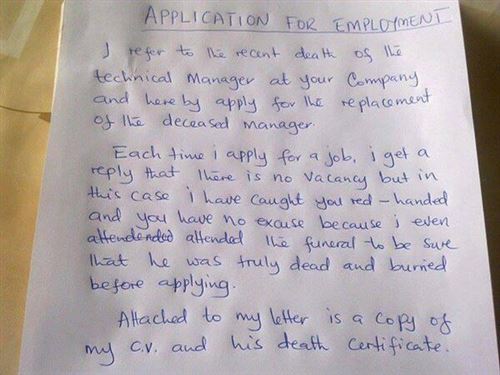

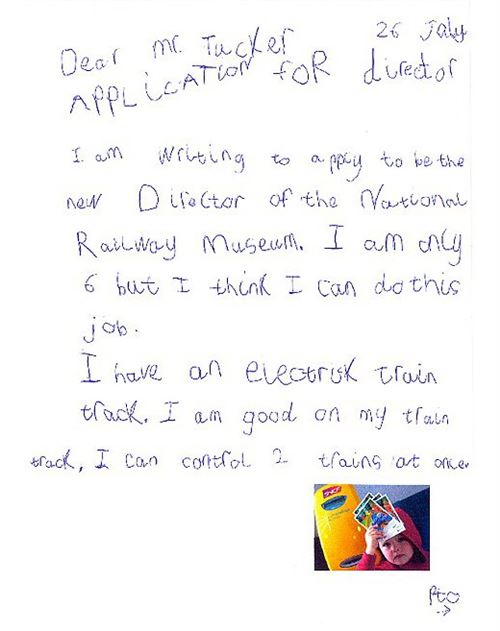







 isn't the only job I have this summer.



 Are you making these mistakes too?