Thursday, 30 March 2017

๐Ÿ““ 25 Free Cheat Sheets On Every Job Search Topic

Keep these handy to save time when you're actively job hunting.

25 free cheat sheets on every job search topic

Photo credit: Sean McGrath

I love cheat sheets… when they're well done ๐Ÿ˜‰.

I like to print them out and post them right beside my desk, or keep them in a pinned browser tab, so I can quickly glance over whenever I need to.

Depending on which aspect of your job search you need help with, there's something in this long list of cheat sheets and “cheat infographics” that you'll like.

The list is divided into the following categories for quicker browsing. Click a link to jump to a category:

  1. Career Success
  2. Social Media & Personal Branding
  3. Job Fairs & Networking
  4. Cover Letters
  5. Resumes
  6. Job Interviews
  7. Salary Negotiation

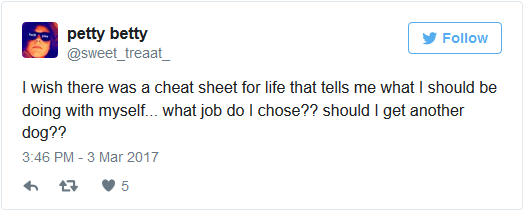
petty-betty-job-cheat-sheet-tweet

Career Success

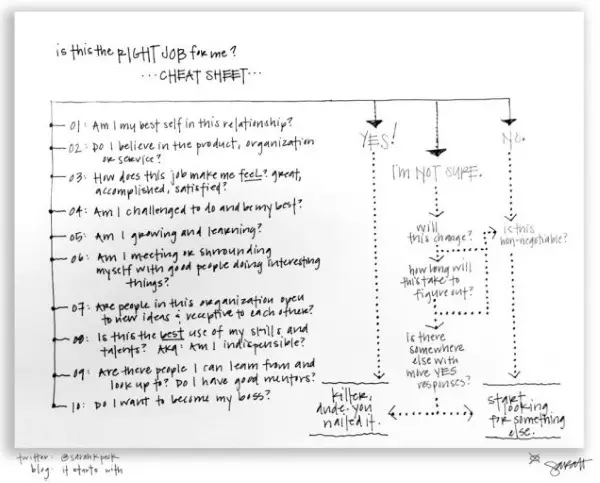
1) The One-Page Career Cheat Sheet

the one page career cheat sheet

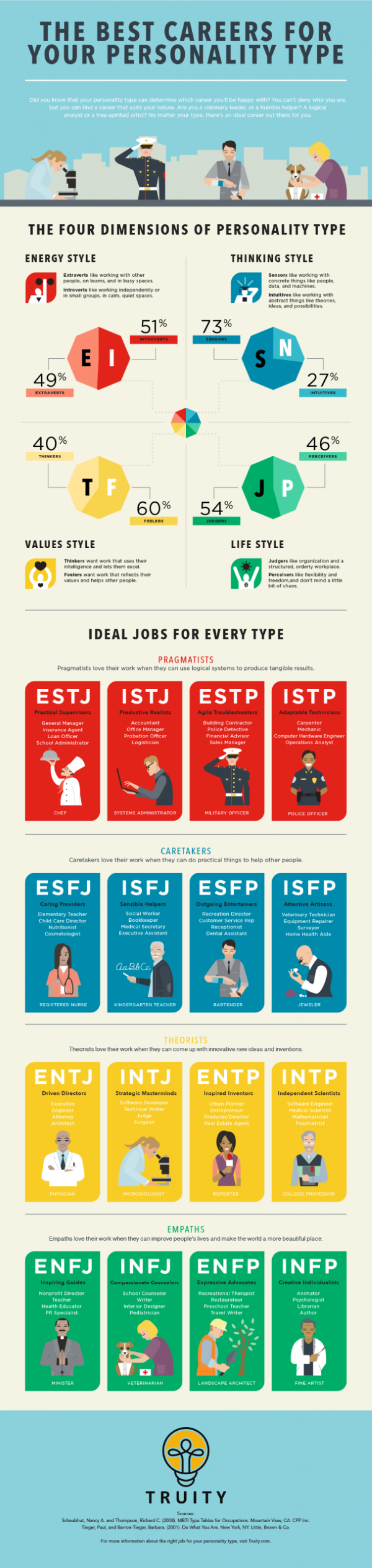
2) The Best Careers For Your Personality Type Cheat Sheet

the best careers for your personality type cheat sheet

3) Your 90-Day Game Plan For Career Success Cheat Sheet

your 90 day game plan for career success cheat sheet

Social Media & Personal Branding

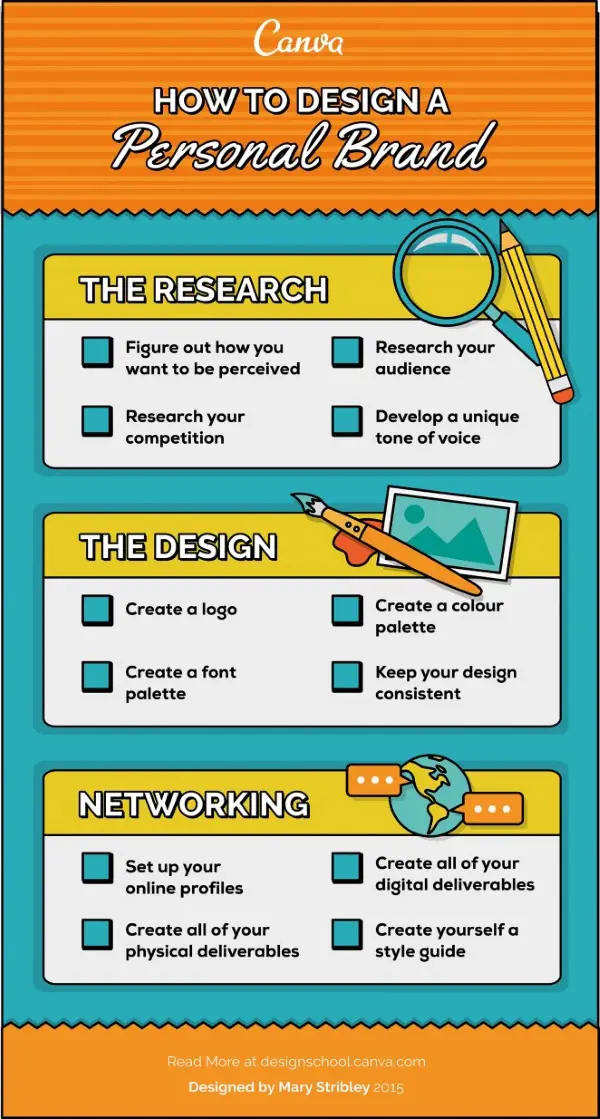
4) How To Design Your Personal Brand Image In 10 Steps Cheat Sheet

how to design your personal brand image in 10 steps cheat sheet

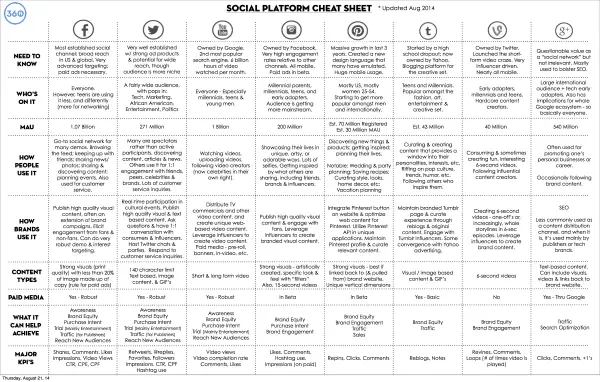
5) Social Platform Cheat Sheet

360i social platform cheat sheet

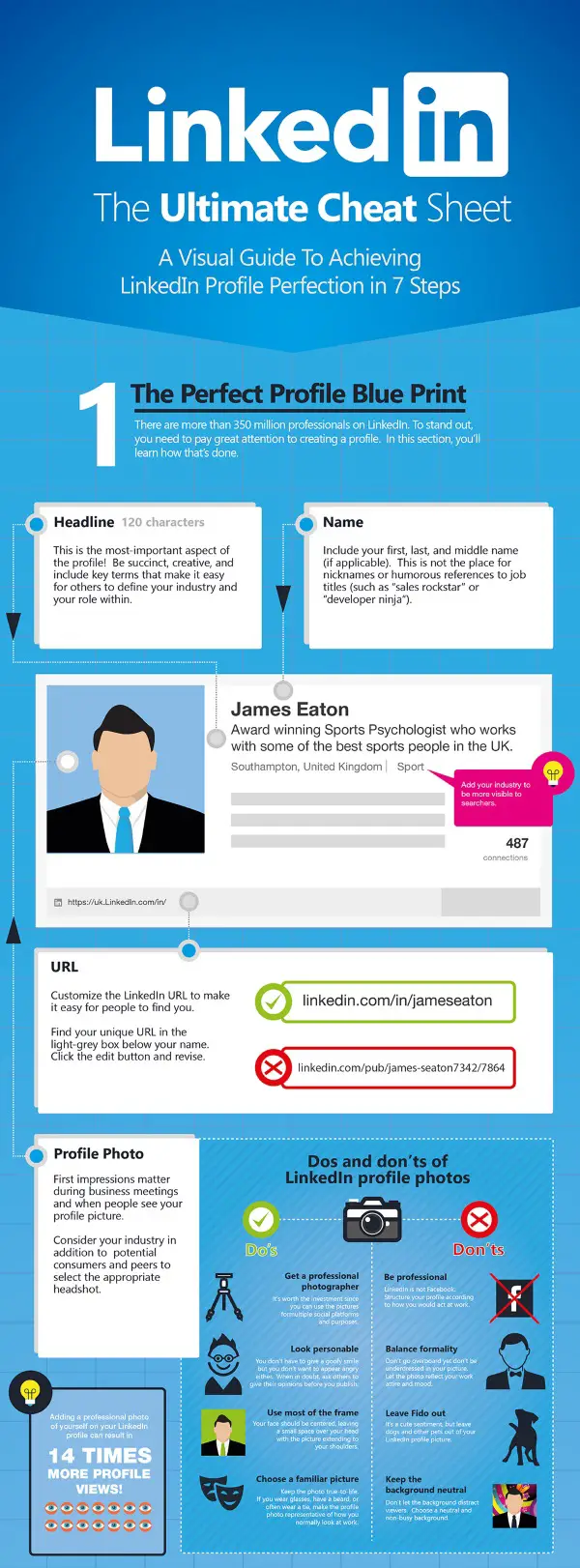
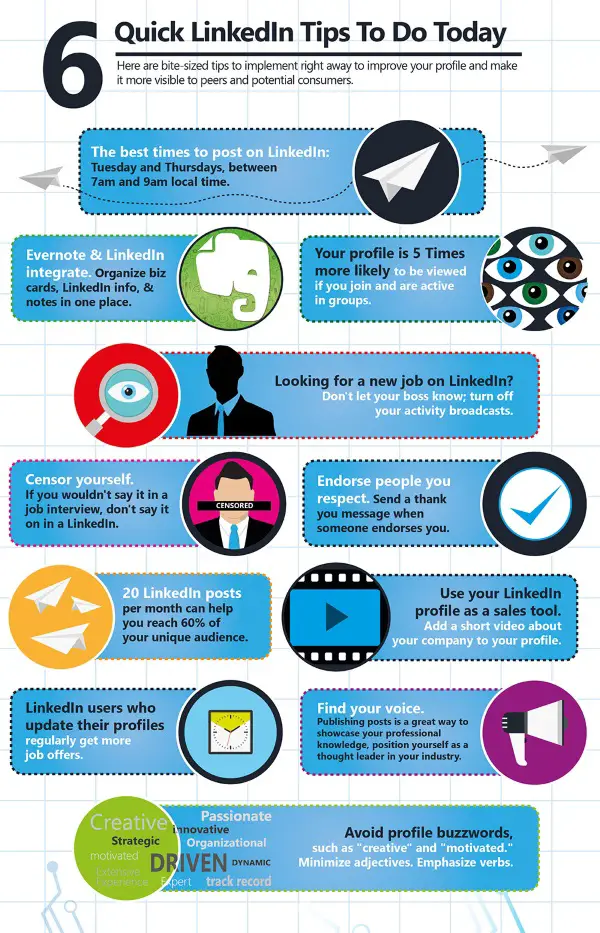
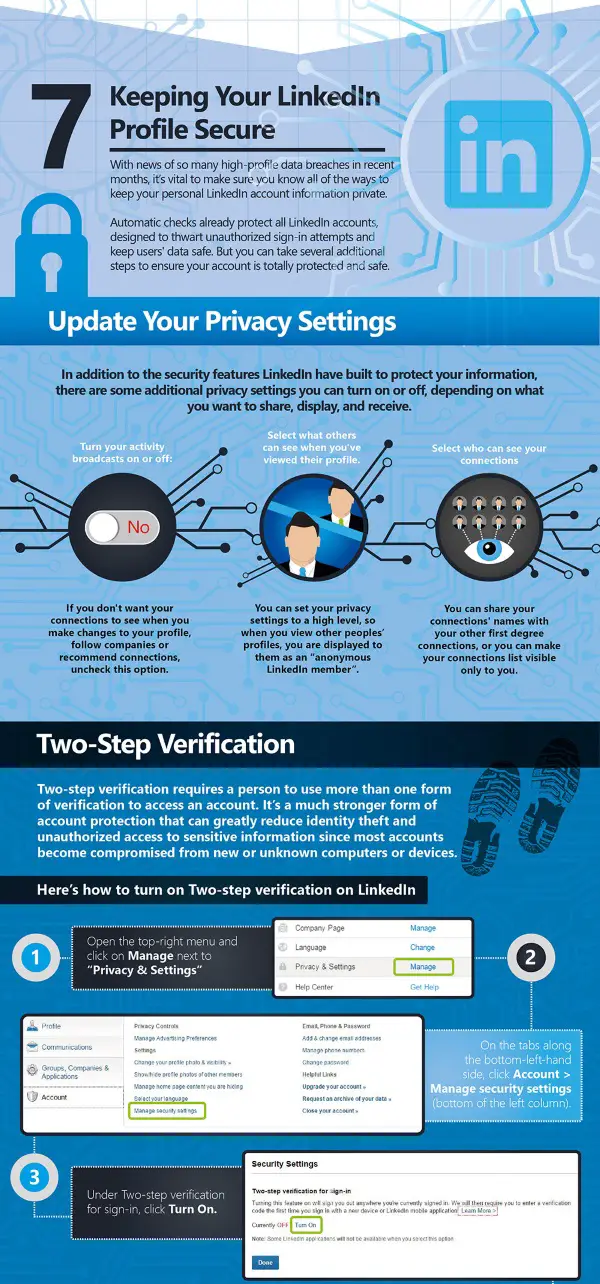
6) The Ultimate LinkedIn Cheat Sheet

the ultimate linkedin cheat sheet

the ultimate linkedin cheat sheet 5

the ultimate linkedin cheat sheet 6

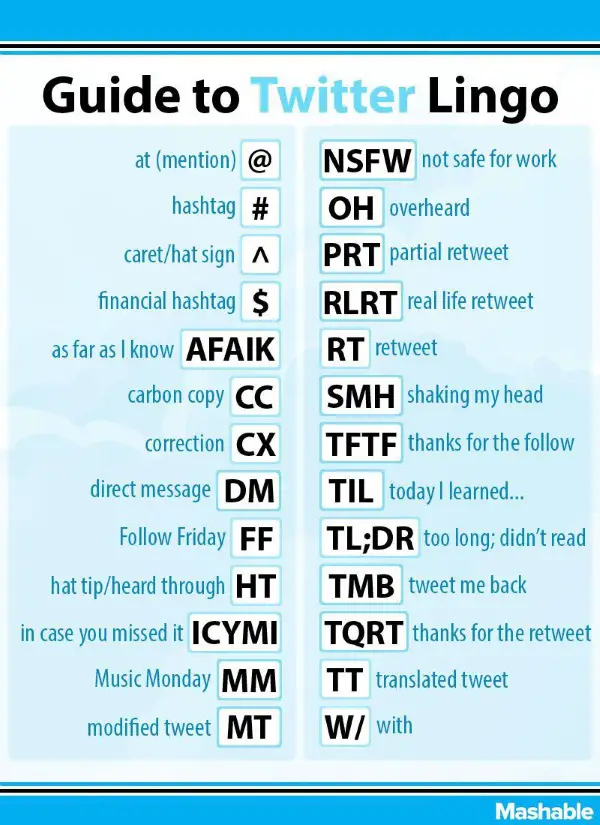
7) The Complete Guide to Twitter Lingo Cheat Sheet

the complete guide to twitter lingo cheat sheet

Job Fairs & Networking

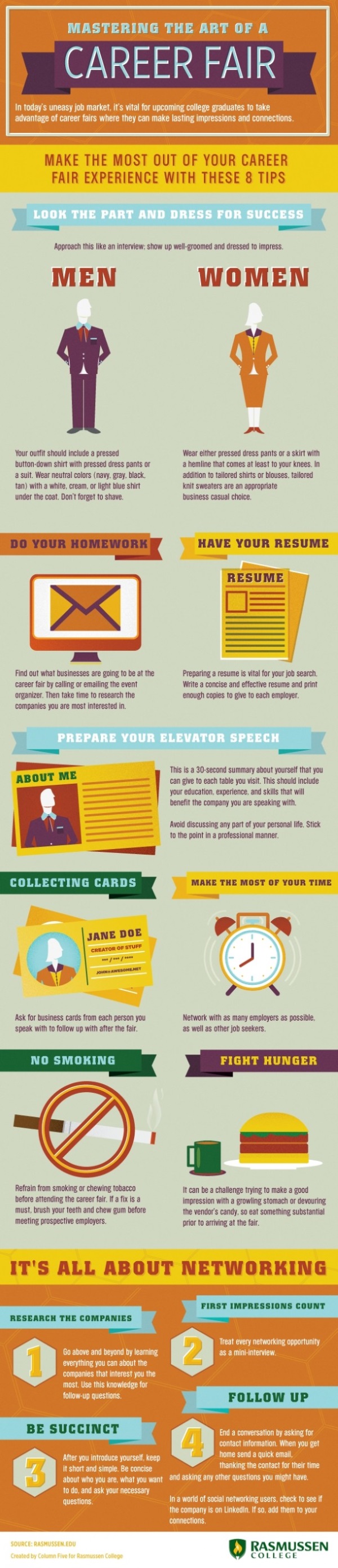
8) Mastering the Art of a Career Fair Cheat Sheet

mastering the art of a career fair cheat sheet

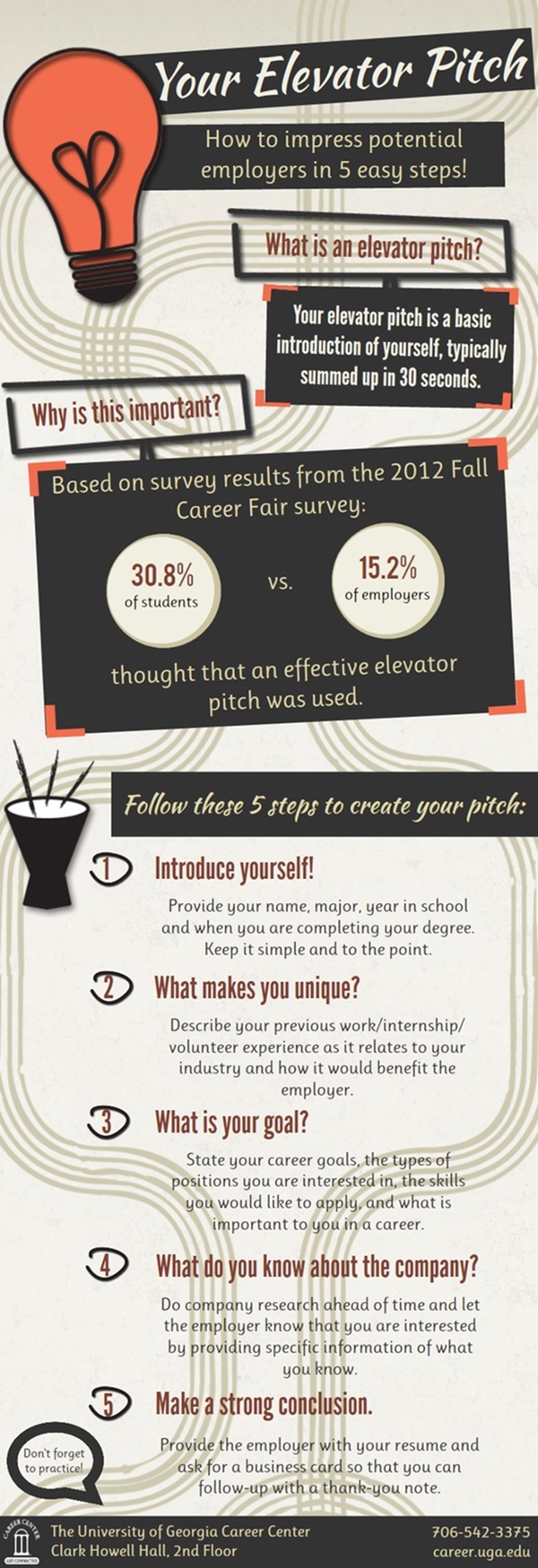
9) Your Elevator Pitch Cheat Sheet

your elevator pitch cheat sheet

Cover Letters

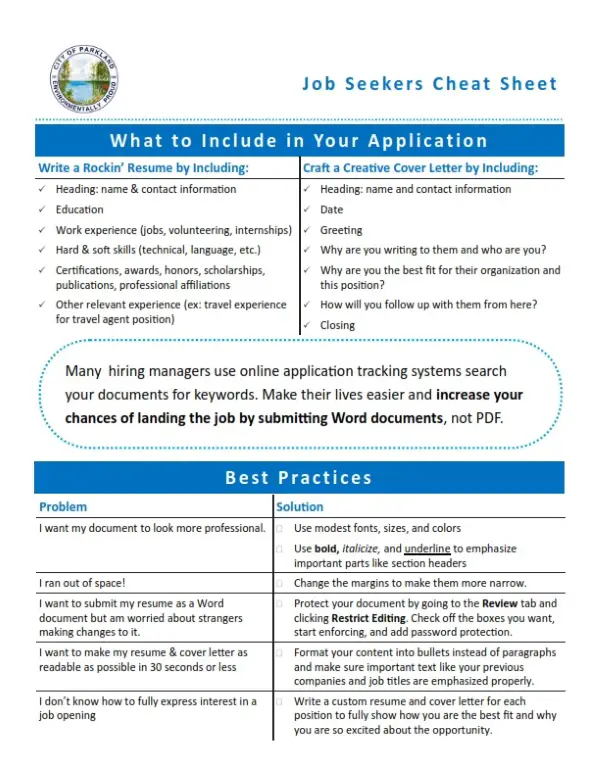
10) City of Parkland Job Seekers Cheat Sheet

cityofparkland job seekers cheat sheet

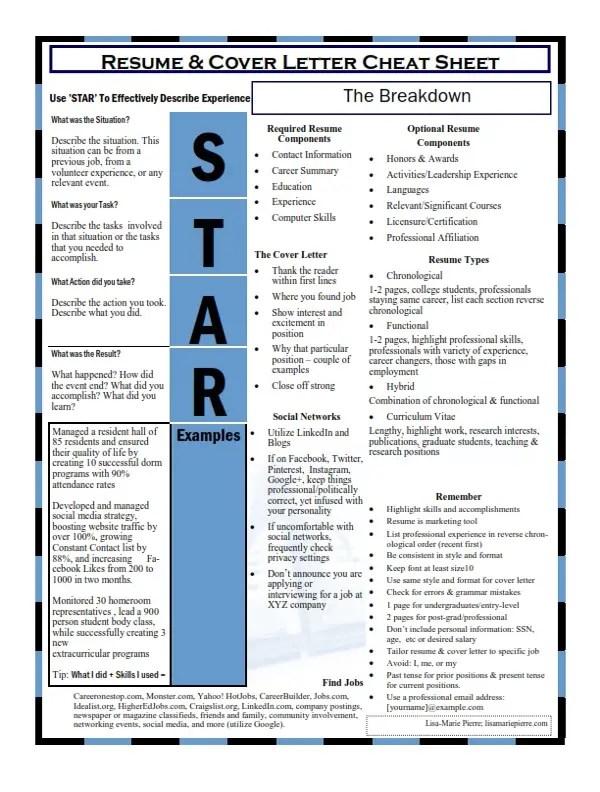
11) Lisa-Marie's Resume and Cover Letter Cheat Sheet

lisa maries resume and cover letter cheat sheet

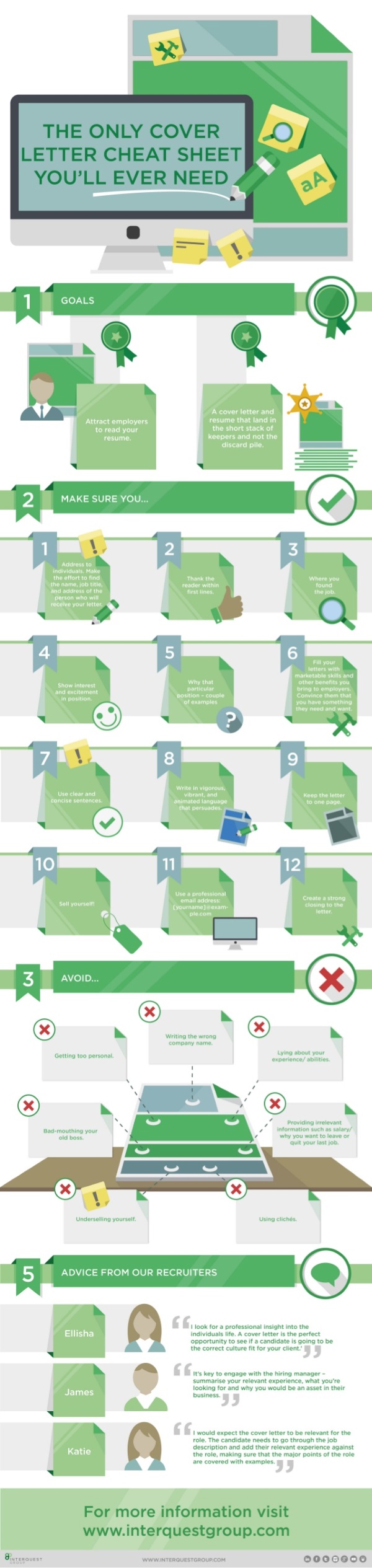
12) The Only Cover Letter Cheat Sheet You'll Ever Need

the only cover letter cheat sheet youll ever need

13) Tips to Write an Exceptional Cover Letter Cheat Sheet

tips to write an exceptional cover letter cheat sheet

Resumes

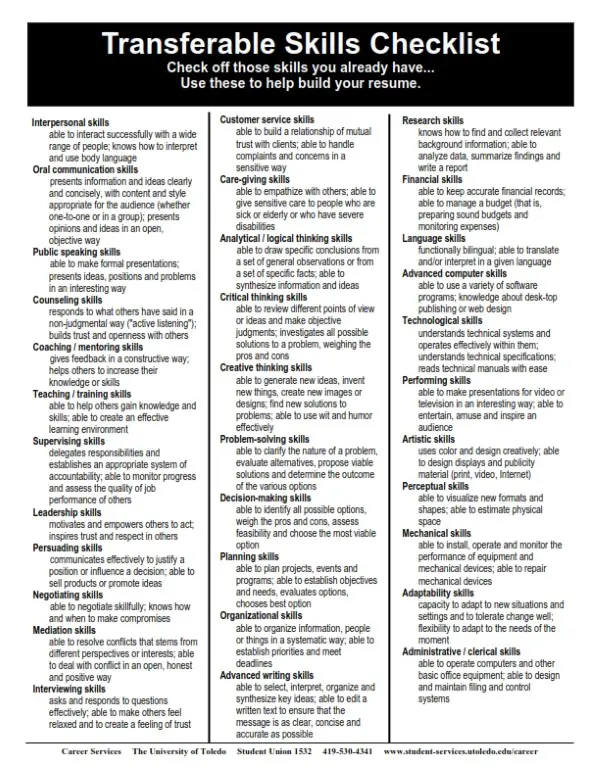
14) Transferable Skills Checklist

transferable skills checklist

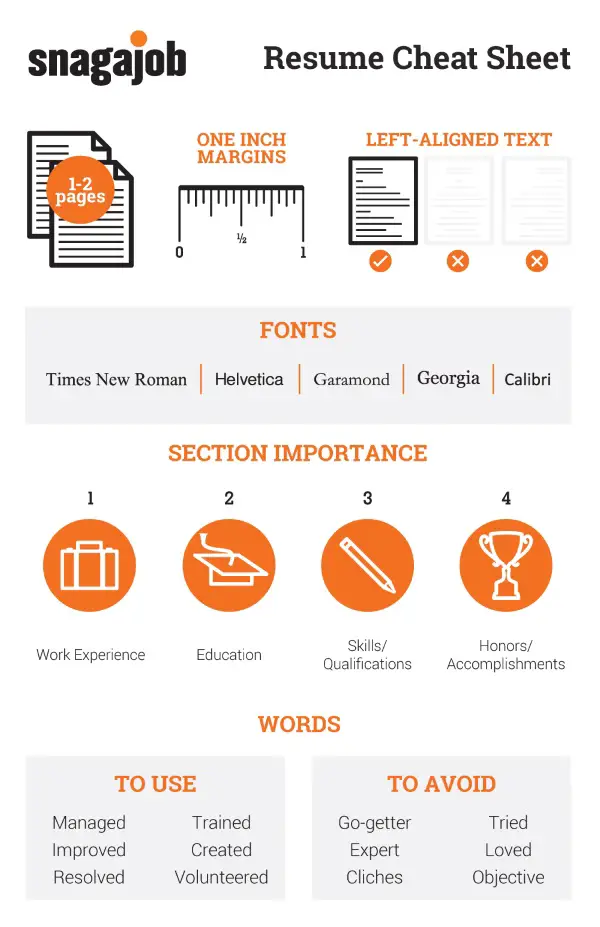
15) SnagaJob Resume Cheat Sheet

snagajob resume cheat sheet

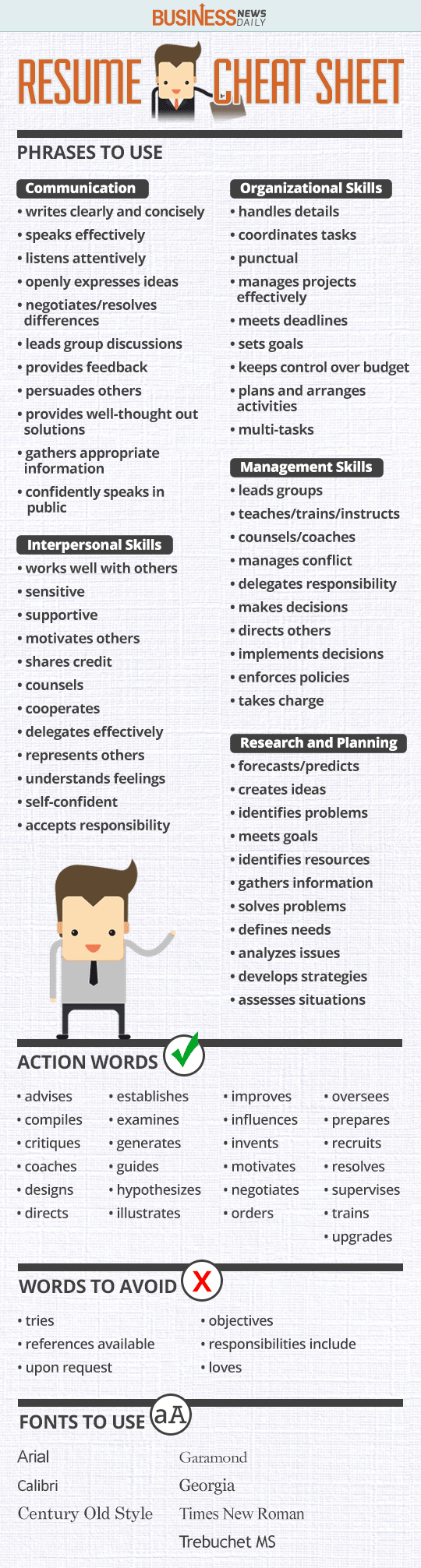
16) Business News Daily Resume Cheat Sheet

businessnewsdaily resume cheat sheet

17) Resume Cheat Sheet: 222 Action Verbs To Use In Your New Resume

resume cheat sheet 222 action verbs to use in your new resume

Job Interviews

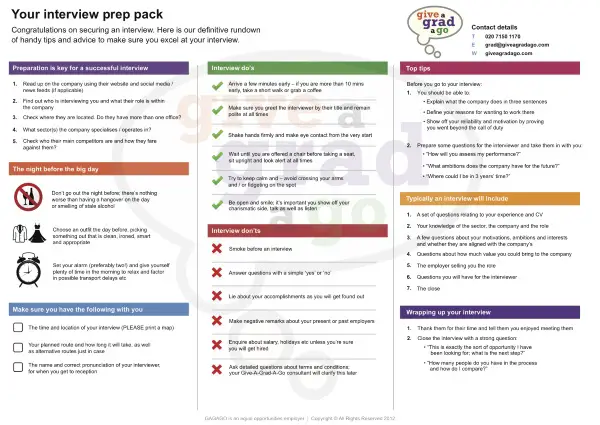
18) GiveAGradAGo Interview Tips and Advice Prep Pack

giveagadago interview prep pack

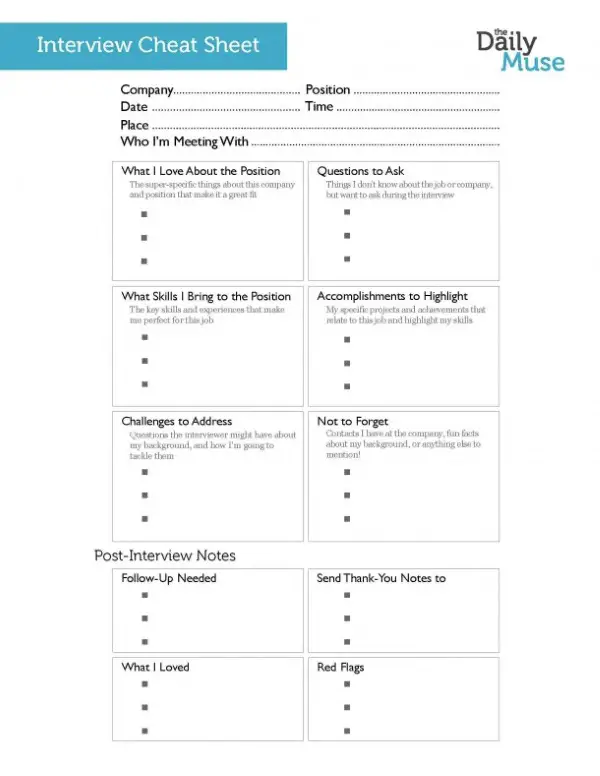
19) Your All-in-One Interview Prep Guide

dailymuse interview cheat sheet

20) Your Pre-Interview Guide

your pre-interview guide cheat sheet

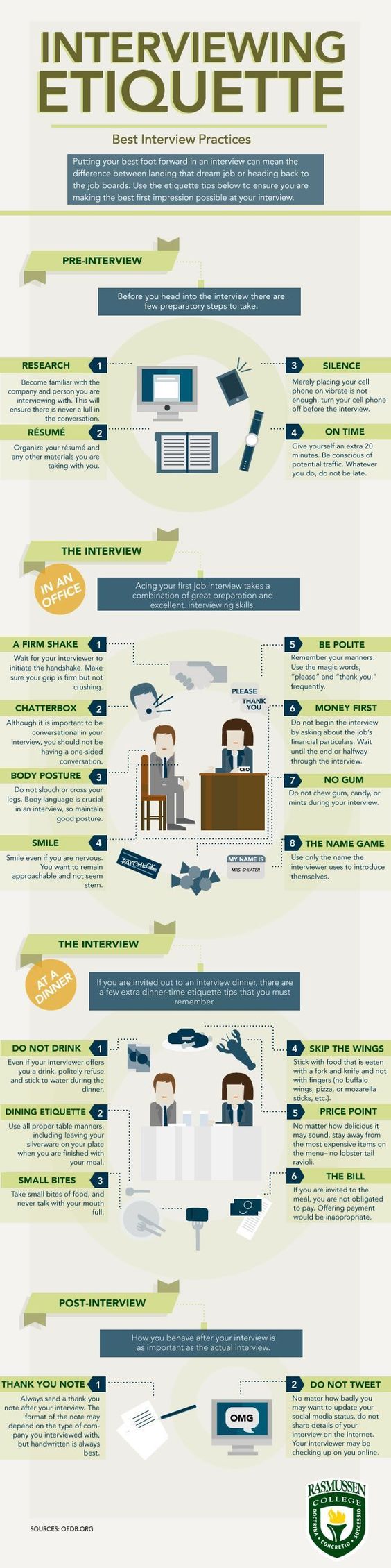
21) Interviewing Etiquette

interviewing etiquette cheat sheet

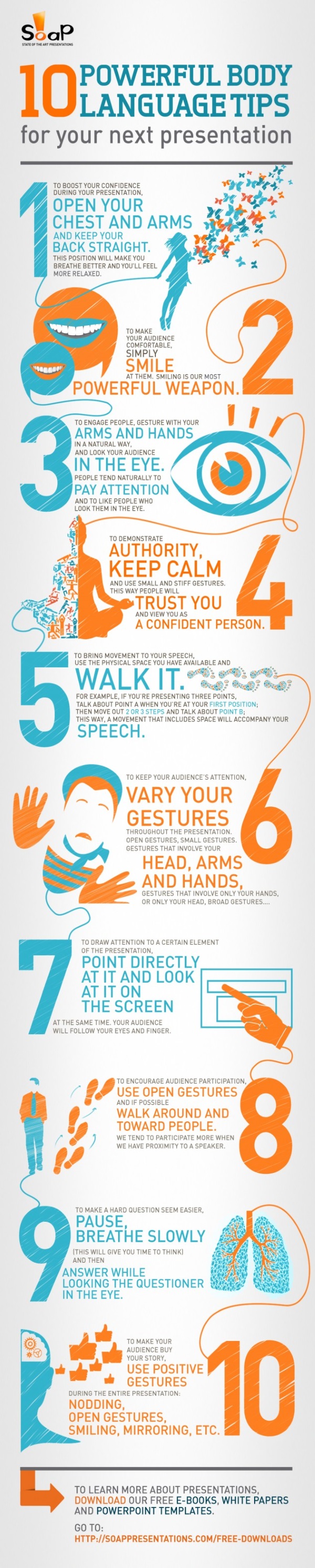
22) 10 Good Body Language Examples to Use in Presentations

10 good body language examples to use in presentations

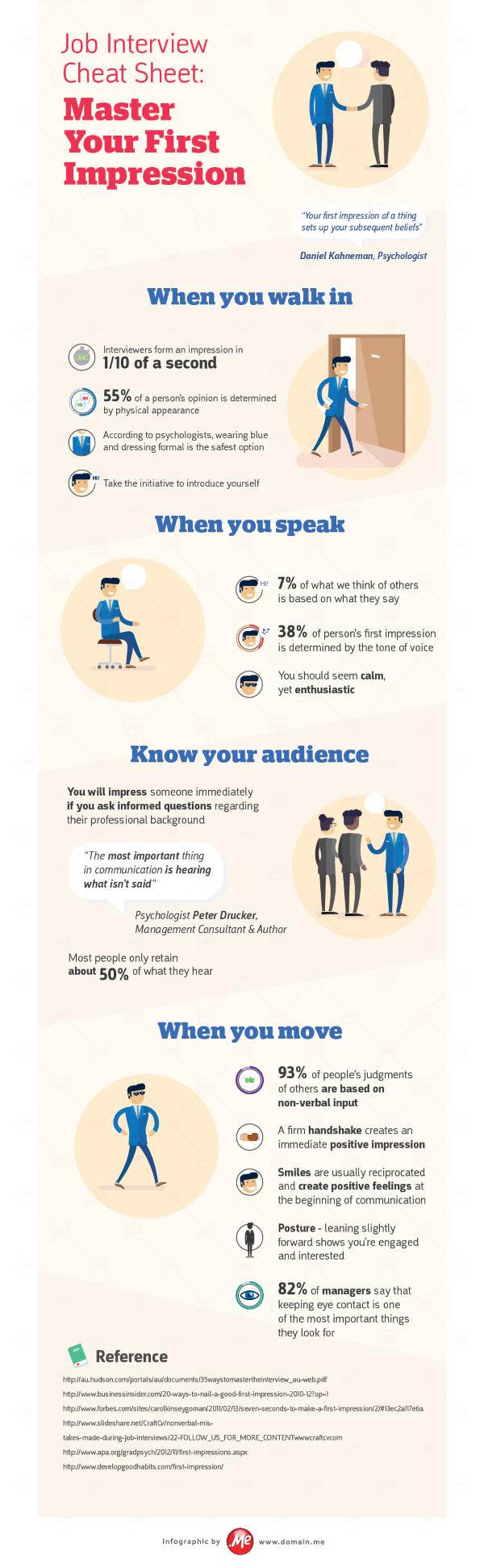
23) Job Interview Cheat Sheet: Master Your First Impression

job interview cheat sheet master your first impression

Salary Negotiation

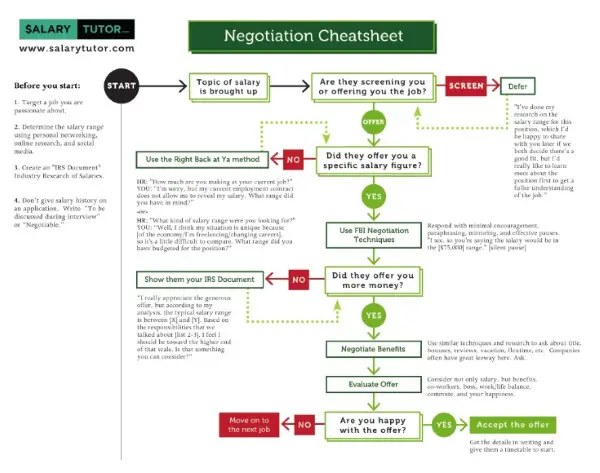
24) Salary Tutor Negotiation Cheat Sheet

salary tutor negotiation cheat sheet

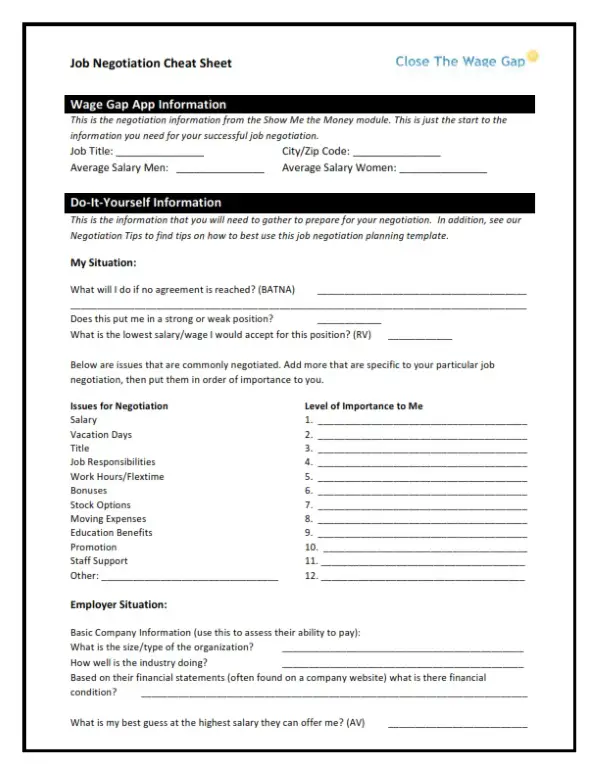
25) Job Negotiation Cheat Sheet

job negotiation cheat sheet

Bonus: Freelancer cheat sheet

26) How to Calculate Your Freelance Hourly Rate

How to Calculate Your Freelance Hourly Rate

More job search and human resources cheat sheets

Subscribe to JobMob via RSS or email and follow me on Twitter for the most helpful, time-saving job resources.


via JobMob More Information Here..

Sunday, 26 March 2017

✒ Why Job Seekers Need To Carefully Handwrite Thank You Letters

A heartfelt thank you on paper shows how much you care.

kers Need To Carefully Handwrite Thank You Letters


The article is brought to you by Zazzle. Use code ZAZZLESPROUT to get 20% off all thank you cards before March 27th, 2017


The Jewish holiday of Purim has a fun commandment: the mishloach manot obligation to send a meal to someone else to help them enjoy the holiday too.

While you're only required to send one meal to one other person, you'll usually send to more. For example, this year we sent out wrapped plates of food and drink to 5 friends and neighbors.

In a class at my synagogue, the rabbi told how his family take it much further: they draw up a list of people to thank for something over the past year and then send them all care packages on Purim, turning it into a general People Appreciation Day.

Where they really take it to the next level is that they include a handwritten thank you letter with each package. The rabbi remembered that one person was so touched by this, the thank you note they received was still sitting out on a table at their home months after the holiday.

Handwritten thank you notes go a long way.

Note: There is a poll embedded within this post, please visit the site to participate in this post's poll.

(If you voted No, why didn't you send thank you letters? Tell us in the comments)

In a followup book based on his famous Last (college) Lecture before dying from pancreatic cancer, Professor Randy Pausch explained that:

Showing gratitude is one of the simplest yet most powerful things human beings can do for each other. And despite my love of efficiency, I think that thank-you notes are best done the old-fashioned way, with pen and paper.

Job interviewers and admissions officers see lots of applicants. They read tons of resumes from “A” students with many accomplishments. But they do not see many handwritten thank-you notes. If you are a B+ student, your handwritten thank-you note will raise you at least a half-grade in the eyes of a future boss or admissions officer. You will become an “A” to them. And because handwritten notes have gotten so rare, they will remember you.

This student took that advice seriously:

Saw this on my student's Final Exam. This makes it worth every last drop of effort

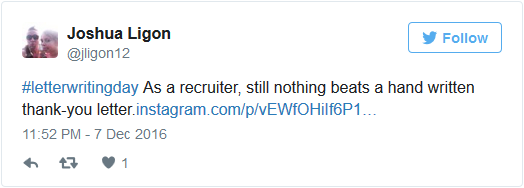
A recruiter's take on thank you letters

It's a job search clichรฉ that you should send thank you cards or notes, if even just a short email after job interviews.

But as a job seeker, it's so easy to feel that it's all a waste of time and effort.

Why thank someone who's just going to reject you? Besides, they're going to see many other candidates either way, right?

Is a small note really going to make a difference?

recruiter tweet handwritten thank you letter


The article is brought to you by Zazzle. Use code ZAZZLESPROUT to get 20% off all thank you cards before March 27th, 2017


More on thank you letters

Bonus: Randy Pausch's Last Lecture

Subscribe to JobMob via email and follow me on Twitter to learn about showing appreciation on your job search.


via JobMob More Information Here..

Thursday, 16 March 2017

๐ŸŽฉ 7 Common Job Interview Questions That Can Trick You

Sometimes the question to answer isn’t the one that was asked.

7 Common Job Interview Questions That Can Trick You

Photo credit: JD Hancock

This is a guest post by Amy Chambers.

The prospect of a job interview is enough to make anyone nervous.

However, no matter how much you prepare there’s often the possibility that your interviewer may have one or two questions up their sleeve designed to catch you out. What may seem like an unremarkable question may actually be a window for you to slip up.

Here are some of the questions that will usually come your way and how to prepare for them:

Note: There is a poll embedded within this post, please visit the site to participate in this post's poll.

Free bonus: The One Job Interview Resource You’ll Ever Need is a handy reference to help you prepare for any kind of job interview. Download it free now

1) “What are your weaknesses?”

Key: be honest, but don’t volunteer information

You don’t want to say something that is obviously a strength in disguise, such as ‘I’m a perfectionist’ or ‘I’m a workaholic’.

This is too transparent and suggests that you aren’t aware of any flaws that you do have, or aren’t willing to admit them. You’ll probably benefit from being honest here, but not too honest. Offering a minor flaw, something that won’t affect your work or suggest you have any major issues, will demonstrate your honesty.

This is an opportunity to turn an answer into something positive. For instance, you could say that you are aware that you need to work on your team building skills, your confidence with public speaking or that you need to remember to take more notes. Suggest something that isn’t too bad, and word it in a positive way to show that you are self-aware and willing to improve.

Also, if you have been specifically asked about your ‘weaknesses’, say that you don’t perceive yourself to have any weaknesses, just parts of yourself that need to be worked on.

Cath Newbould, a Resourcing Consultant for RBS Insurance, advises choosing something that you have made positive steps to overcome. She says: “Your initiative could then be considered a strength rather than a weakness. Under no circumstances should you say ‘I don’t have any weaknesses’ as nobody is perfect and it’s unlikely that the interviewer will believe you.

zombie job interviewers

2) “Why should we hire you?”

Key: do your homework

This may not sound like a trick question, but the interviewer could be asking you in order to test your preparation skills. If you have done your research on the company, you will answer this in relation to what they’re looking for, as opposed to a generalised answer of why you’re a desirable candidate.

3) “Why did you leave your last job?”

Key: be truthful and positive

Again, use this as an opportunity to be positive. Never be defamatory towards your ex-colleagues, no matter how difficult they were to work with. Say that you wanted to push yourself out of your comfort zone, seek new opportunities and learn new things. This is a chance to be positive and show your determination.

Equally, you don’t want to appear negative. If the role genuinely wasn’t challenging enough, say so in a positive way. This is not an opportunity for you to rant about your last employer, how the office was too cold or your computer mouse too sensitive. This is asked so the interviewer can test your maturity.

Laura Kilduff, Assessment & Selection Manager with Direct Line Group’s insurance job recruitment portal, advises: “Be honest about why you left your last job, as companies are likely to check this through the reference contacts you provide. Whether you left on good or bad terms, try to be positive about your previous employer and your reasons for leaving, rather than focusing on the negatives. For instance, talk about what you learnt in your previous role and how it helped to develop your skills in a certain area, or reference the opportunities to develop your career and expand your experience by leaving.”

4) “Give me an example of when you have become angry at a colleague.”

Key: don’t make yourself look bad

Don’t fall for these types of questions. Avoid answering a question where you have to offer an example of something that could show you in a bad light. Reply by saying that you have never become angry at a colleague.

The clever thing done by interviewers here is, by asking questions like this, you think it must be an acceptable behaviour. Just because you’re being asked to give an example – doesn’t mean it is expected of people. Don’t give any examples of being angry, lazy or unreasonable.

5) “Give an example of a time when you under-performed and how you overcame this.”

Key: sidestep the trap by going hypothetical

Similar to the above, if this question is asked, it is so you will admit that you have, in fact, under-performed at work. Modestly reply by saying that it has never happened and then offer a for instance as to what you would do if it were to happen.

6) “What would be your ideal job?”

Key: be realistic, but passionate

“This one” is an answer that should be avoided as you may come across as too willing to please. Even if it is your ideal job, it’s always good to demonstrate to the employer that you have constantly evolving aspirations and something to work hard for.

Your first response should be to ask if the question is intended for now, in five years’ time or longer, as this will assure the interviewer that your thoughts are organised and you are focused. The best way to impress would be to answer the question from a realistic point of view, and answer passionately.

7) “What would your references say about you?”

Key: be positive, but modest

Don’t fall for this trap and say something negative, as any references you are relying on will most likely be completely positive. However, don’t give a great list of your strengths, either, be modest and keep it precise.

Free bonus

If you want a handy job interview resource that you can keep on your smartphone or print out for easy reference, I’ve got a special bonus for you.

This free download contains:
  • 130 positive personality adjectives to describe yourself
  • 444 of the most popular job interviewer questions to prepare yourself with
  • 175 questions that you can ask in job interviews to make a good impression and learn about your future employer
Click the image below to get access to The One Job Interview Resource You’ll Ever Need: The One Job Interview Resource You'll Ever Need download button

JobMob Insiders can get this free bonus and other exclusive content in the JobMob Insider Bonuses area. Join now, it's free!

Bonus: 3 Tough Job Interview Questions and Answers

About the Author

Amy Chambers was unemployed for six months after graduating, but found her perfect job after maximising her CV using the tips and tricks she discovered online. She’s an HR geek and lives in the sunny South West of the UK.

READ NEXT: 10 Tricky Job Interview Questions and How to Answer Them

Subscribe to JobMob via RSS or email and follow me on Twitter for more job interview tips & tricks.


via JobMob More Information Here..

Thursday, 9 March 2017

๐Ÿ“ง How To: The Job Seeker’s Attention-Getting Email Signature

Get the most of that often-seen personal branding space: your email signature.

How To: The Job Seeker’s Attention-Getting Email Signature

Photo credit: Camilo Rueda Lรณpez

You’ve got your job search email address, but do you have a memorable email signature for it?

Create one quickly with this template:

Required elements are bolded, the rest are recommended where relevant:


Salutation,

Name
Tagline
Title(s), Organization
Association Membership
Phone numbers (mobile/land/fax)
Website/Social media profiles
Image


Note: There is a poll embedded within this post, please visit the site to participate in this post's poll.

Free bonus: Download a PDF version of this article to use as a handy reference.

Where:

Salutation – using your email signoff to only say goodbye is a wasted opportunity. Either use an expression that’s relevant to your personal brand or wish the person something positive. The best result is a combination of both that doesn’t sound too cheesy. In my email signature, I usually say “To your job search success”.

Name – your full name.

Tagline – your personal branding tagline

Title(s) – if employed, use your current job title. If you’re currently unemployed, list your profession and add “available for full-time employment”.

Organization – the organization you most associate yourself with, typically your employer, a professional association you’re prominent in, or your own company.

Association Membership – any professional or industry-related association that you are a member of, worth mentioning especially to people who are likely to recognize it.

Phone numbers (mobile/land/fax) – just put the one number you want to be reached at; some people include both their landline and mobile/cellphone numbers, but that’s overkill. If you have a compelling reason to include more than one number, put each on its own line with a label to indicate which it is such as “Tel: 555-1234” and “Cell: 555-5678”. If most people who contact you are on Skype and you prefer it, use the Skype callto: syntax so that calling you is just one click away.

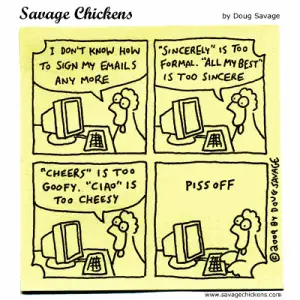
Funny email signature

Website/Social media profiles – use the one url (at least) that most builds your personal brand i.e. is most likely to impress viewers. This might be your blog, your organization or association membership profile (see above), social media resume or one of your social media profiles. At minimum, list your LinkedIn vanity url.

If you’re not sure which urls to use, list 2 or 3 but use a url shortener such as bit.ly that lets you customize the shortened url while also counting the clicks so you can measure which url people clicked more. Check the click statistics after a month of usage and then decide which urls to leave in your signature. Like with LinkedIn, use your Facebook vanity url if you decide to include your Facebook profile in your email signature.

Important: include ‘http://’?utm_source=rss&utm_medium=rss in each url in your email signature so that the recipient’s email software will automatically make the url clickable.

Image – of all the items on this list, an image is the riskiest thing to include in your email signature because it will increase the download size of every email you send (and many of the replies you receive) and will often get flagged by email software as a potential security issue, increasing the chance that your email won’t even be seen by the recipient.

However, if you are willing to take the risk, it will be because you have a memorable image to show, a brand-relevant image that best represents you, such as your personal logo, a picture of your latest book or other product if you have one, or even your avatar.

I originally published a version of this article on the terrific Personal Branding Blog.

Subscribe to JobMob via email and follow me on Twitter for more ideas on how to get contacted on your job search.


via JobMob More Information Here..

Thursday, 2 March 2017

↘️️ Stop Falling into Resume Gaps

You can’t fill in employment gaps on your resume without lying, so do this instead.

Stop Falling into Resume Gaps

Photo credit: Pawel Loj

Need a better way to explain what you did between jobs?

Trying to re-enter the job market after a long time?

Here’s how to explain your resume gaps.

Note: There is a poll embedded within this post, please visit the site to participate in this post's poll.

(If your gap(s) is longer than a year, how have you been explaining it until now? Tell us in the comments.)

Free bonus: The One Resume Resource You’ll Ever Need is a handy reference to make your resume get you more job interviews. Download it free now

How I explained my gaping resume gap

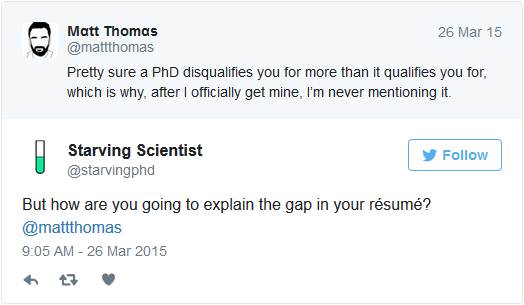
starvingphd resume gaps tweet

Not all resume gaps are signs of poor job searching, sometimes there are good reasons for gaps in employment.

During my job search in 2006, the question was often phrased like this:

“I see that you worked at Amazon.com in France until August 2001, but that your next job only began over a year later in October 2002. What happened there?”

I would usually grin out of familiarity with the question and then reply with something like this:

“In August 2001, I resigned from my managerial position at Amazon.com in France because I wanted to move back to Israel.

My plan was to take some time off to get settled in Jerusalem properly, without rushing, and then relax because I was exhausted from working at Amazon.

Once I was feeling energized and ready to go back to work, I began evaluating what my best career options would be locally. Unfortunately, by the time I began looking for work in December 2001, the Dot-com Bust (or ‘Internet Crash’, as they said here in Israel) was in full swing, companies were closing, hitech (tech industry) people were being laid off left and right, and almost none of them were going to be replaced.

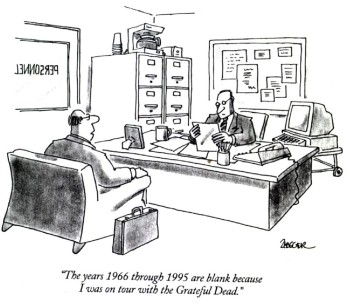
Resume gap

(At this point in the story, the Human Resources rep. or hiring manager is usually nodding because they too remember what it was like during that tough time.)

I spent the next 8 months looking for work like so many other people, receiving only a few offers that I had to refuse because they didn’t make sense financially.

One company offered to pay LESS than minimum wage to hire me as a Senior Project Manager (a position that normally earns 8-10 times that amount). I would have had to take a second job to pay all my bills. Good thing I didn’t join them, they went bankrupt 3 months later.

In the summer of 2002, one of my former bosses from Amazon said that if I came back to France he would give me a terrific job with his new company. With my savings dwindling and an appealing offer in hand, I couldn’t refuse.

However, it still took a few more months before I could start my new job because now I needed to move from Jerusalem back to Paris and get settled in there. In parallel, my new company wasn’t even ready for me yet so the timing worked out well for both sides, and I finally began working in October 2002.”

Why this resume gap story works

Let’s analyze that answer to the resume gap question:

  • “In August 2001, I resigned from my managerial position at Amazon.com in France because I wanted to move back to Israel.”

I wasn’t laid off or fired, I resigned. It was my choice to become unemployed.

  • “My plan was to take some time off to get settled in properly, without rushing, and then relax because I was exhausted from working at Amazon. Once I was feeling energized and ready to go back to work, I began evaluating what my best career options would be locally.”

Needing time after a transcontinental move is very understandable to get settled in, and it takes more than a week.

Saying that “I was exhausted from work” is a mistake unless you can convince the interviewer that it won’t happen again at their company. That said, everyone knows that hard work is tiring and this “slip” of truth can actually work in your favor by showing your honesty.

  • “Unfortunately, by the time I began looking for work in December 2001, the Dot-com Bust was in full swing, companies were closing, hitech people were being laid off left and right, and almost none of them were going to be replaced.”

Anyone who’s been through the ordeal will remember what it’s like to be in industry- or economy-wide recessions, and how difficult the job market is during those moments in time. No one will fault you for getting caught up in such events that were clearly out of your control.

  • “I spent the next 8 months looking for work like so many other people, receiving only a few offers that I had to refuse because they didn’t make sense financially. One company offered to pay LESS than minimum wage to hire me as a Senior Project Manager. I would have had to take a second job to pay all my bills. Good thing I didn’t join them, they went bankrupt 3 months later.”

(The same goes when explaining resume gaps due to illnesses, and that includes mental illnesses and depression. If it was out of your control, say so and people will usually understand.)

Not only was it my choice to become unemployed, it was my choice to stay unemployed. Also, it was worth pointing out that although there weren’t many, I was still getting offers during a tough time.

  • “In the summer of 2002, one of my former bosses from Amazon said that if I came back to France he would give me a terrific job with his new company. With my savings dwindling and an appealing offer in hand, I couldn’t refuse. However, it still took a few more months before I could start my new job because now I needed to move from Jerusalem back to Paris and get settled in there. In parallel, my new company wasn’t even ready for me yet so the timing worked out well for both sides, and I finally began working in October 2002.”

Any HR rep. or recruiter knows that a hiring process can take a few months before the candidate actually becomes an employee.

Finally, it’s important to emphasize that when telling this story to recruiters during my 2006 job hunt, I wasn’t an expert on job search. My above reply was a result of simply trying to tell the truth in a positive light and seeing how people reacted, including their followup questions or remarks.

7 tips for explaining your own resume gaps

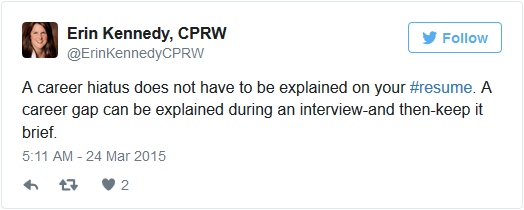
erinkennedycprw career gap tweet

1) Be honest

Don’t try to hide the gap. Many people have prolonged periods between jobs, at least once in their career. Think of how many stay at home moms try to re-enter the job market once their kids get older!

Having a resume gap is not so unusual, so don’t make it seem to be unusual.

2) Show it off, even

If you took advantage by using the time between jobs to improve your skills or otherwise make yourself into a more valuable candidate.

3) Emphasize it was by choice (if true)

Put a positive spin by explaining how you were selective when targeting companies or contemplating job offers.

4) Use history

If your resume gap overlaps a period of difficulty in your entire industry or your country’s economy, mention it. Or- perhaps you weren’t job searching the whole time but there was a major event in your personal life that required extraordinary attention. ‘Going historical’ works especially well if the job interviewer can empathize because they may have experienced the same event.

5) Make your resume gap a non-issue

How? By listing directly on your resume what you did during the time between jobs, especially if the time was regularly spent in a framework such as a school or volunteering program.

6) De-emphasize resume gaps with a functional resume

Resume gaps stand out in a chronological resume, the classic resume type that details your work history over time and, by literally reading between the lines, your non-work history. Using a functional resume emphasizes your skills and achievements over the aspect of time.

7) Just avoid resume gaps outright…

By job searching intelligently so that you don’t need to search longer than necessary. Improve your job search skills before you need them, at the very least by following blogs like JobMob even while you’re still employed.

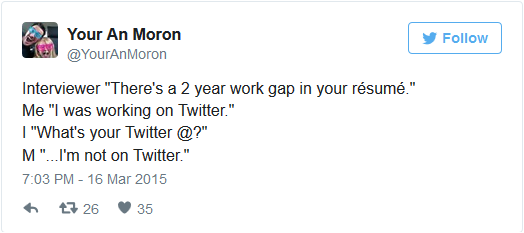
youranmoron resume gap tweet

Read more

Question of the article

Should resume gaps matter? Aren’t your work accomplishments more important than what happened when you were off work?

Tell us in the comments.

Free bonus

If you want a handy resume and CV resource that you can keep on your smartphone or print out for easy reference, this special bonus is for you.

This free download contains:
  • 111 Smart Resume Section Headings and Titles
  • 60 Resume Achievement Writing Ideas and Expressions
  • 500 Positive Resume Action Verbs That Get Job Interviews
  • 35 Resume Filenames Recruiters Won’t Respond To
Click the image below to get access to The One Resume Resource You’ll Ever Need: The One Resume Resource You'll Ever Need download button

JobMob Insiders can get this free bonus and other exclusive content in the JobMob Insider Bonuses area. Join now, it's free!

Subscribe to JobMob via email and follow me on Twitter for more useful resume gap insight.


via JobMob More Information Here..

Thursday, 23 February 2017

๐Ÿ˜ฑ The Scary Truth About Why Companies Won’t Hire You Back

Thinking of getting rehired after quitting? You had better have a good reason for leaving in the first place.

The Scary Truth About Why Companies Won’t Hire You Back

Photo Credit: JD Hancock

In August 2001, I left my job at Amazon.com in France as a web development team manager to move back to Israel. Almost a year later, I was struggling to find a job after the dotCom bust and my former team was moving to Seattle, so I applied to rejoin them there too.

It didn’t work.

At the end of the interview process, I was told that it came down to me and an internal candidate, and they decided to promote the internal candidate instead.

In this guest post, G.L. Hoffman explains that I shouldn’t have bothered trying.

Note: There is a poll embedded within this post, please visit the site to participate in this post's poll.

New job not up to par?

Most companies will NOT hire you back if, say, you give the new job a try and find out it is not exactly what you were promised. You should know that because I have heard people say “well, if it doesn’t work out, I can always go back to my old job.”

This might be the case. Young, inexperienced managers will often say this during the exit interview, even. It is them being nice… I would not expect them to hire me back if I were you.

Most companies will not hire you back.

And they shouldn’t.

Forget about asking for job back after resigning

Here’s why.

Most companies understand that once an employee leaves, they have left. In effect, they have said that something at the work environment is so bad or so limiting (insert your own reason here), that they need to move on to another job. Once the employee ‘gets there in his or her own mind,’ it is very tough to go back and be satisfied in the old job.

Too often I have seen companies hire someone back only to see them leave again in a few months. I bet the average is over 75%; once they leave, they will leave again.

Plus, if the company does hire you back, what kind of message does that send to current, more loyal employees? An attitude of we-will-hire-back provides a safety net for everyone. I don’t want any of my employees thinking they can just go try a new job for a few months and get this one back.

There are rare exceptions

There are only a few instances where we have hired someone back—one girl went into the Peace Corps and the other went into the military. In both cases, we were thrilled to have them back.

We formed a small committee to evaluate whether our small company would hire someone back who did have extenuating circumstances. In effect, we allowed them to make the decision.

I was actually surprised at the intensity of the debate. Their attitude initially was “once gone, always gone,” but they did arrive at some conditions for the hire back.

Recommended conditions for a rehire?

What do you think? They agreed to recommend that we hire him back because:

  1. He found out his wife was pregnant and he needed the safety of our job vs. a commission only one or,
  2. His new startup could not get funded or,
  3. He agreed to sign a contract for three years and promised not to leave during that period, or
  4. None of the above.

The answer was #4.

We are very clear in the company about not hiring back. We talk about this because often younger, first job employees think that a company will hire them back. After all, they reason, it is the ‘nice’ thing to do.

So, when upper managers felt someone had a volunteering Peace Corps-type excuse reason, we knew we could not simply welcome him back with open arms. That would have destroyed that part of our culture. This is why we gave them the power over the decision. Somewhat risky, but the culture is that important to us.

What matters most

The departed employee had left us to go work for his family’s business, which was experiencing some issues. They needed his help, in other words.

Our ‘committee’ was very clear on their reason for allowing him to return–he had not taken another job. If he had left us for another company, there was no way they would hire him back. A family business emergency was different.

They feel good about their decision and so do we.

More on trying to get rehired

Bonus: can you really go back to your old job?

About the author

G.L. Hoffman is a serial entrepreneur and venture investor/operator/incubator/mentor. He is the former CEO of JobDig which owns and operates Jobdig.com and Linkup.com. G.L. has also been featured in US News and World Report, Forbes and the Wall Street Journal.

Too hasty? Subscribe to JobMob via RSS or email and follow me on Twitter for for calming advice on good decision-making for your future.


via JobMob More Information Here..

Thursday, 9 February 2017

๐Ÿ•“ 25 Reasons Job Fairs Are Not a Ridiculous Waste of Time

Are career fairs a waste of time or are you wasting time at career fairs?

25 Reasons Job Fairs Are Not a Ridiculous Waste of Time

A waste of time?

In 2002, I was on the job search in Israel a few months after leaving my job at Amazon.com in France.

I had just started looking for a programming-related job in e-commerce when I heard about a large upcoming tech career fair in the Tel Aviv area. I was a bit skeptical about going but I put it on my calendar.

Living in Jerusalem at the time, I later had to commute for over 90 minutes just to get to the fair.

Once registered and inside, I was handed a large bag of industry magazines and a map of the convention space, which I used to see if there were any interesting companies to apply to.

Armed with my resume, I spent the next 30-40 minutes walking around. I specifically remember giving out less than 10 copies of my resume in all and only having real conversations with two companies’ HR rep.s.

I then had a return commute of over 90 minutes to get home, meaning that I spent much more time on the bus that day that actually progressing my job search at the fair.

Note: There is a poll embedded within this post, please visit the site to participate in this post's poll.

Free bonus: Download JobMob's Job Fair Success Guide with over 60 job fair tips.

I felt like the fair had been a waste of time, but the truth was that I had wasted my time at the fair.

If I had known what I could accomplish at the fair, I would have had a more fruitful event.

Career fairs can be effective.

Here’s why.

25 Reasons to Go To Job Fairs, Regardless of Age

1) Get out of the house

It’s become too easy to just job search from your computer and it’s easy to forget that there really are many effective ways to progress in your job search outside.

2) Kickstart a dormant job search

Sometimes habit and routine are not the best thing. Going to a job fair should be a welcome change of pace.

3) Meet company representatives who are normally hard to reach

Some companies will send people who actually do have an impact on hiring decisions, access to whom would normally be blocked at their corporate reception desk.

4) Meet company representatives in a less-formal setting

There’s a big difference between the atmosphere of a career fair and sitting across someone in an office. Company reps come with that in mind, and you need to take advantage.

5) Practice your elevator pitch
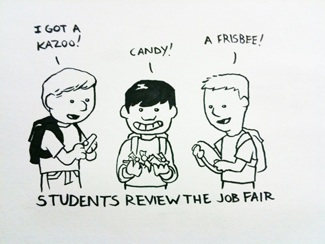
Students review job fair

Just like the 30 seconds you might have to impress someone in an elevator ride, your chance to talk with a company rep. might be very short if there are a lot of people in line behind you at the fair, so you need to impress quickly.

6) Build your self-confidence with company representatives

By meeting with company reps in the informal setting of the job fair, even for only a minute or two, you’ll break the ice and become more comfortable sitting across them in an office.

7) Make a better first impression

As you become more comfortable and your self-confidence grows, you’ll make a better first impression as the fair goes on.

8) Research companies

Learn which companies you might want to work at, which open positions are relevant, etc., anything that can help you adapt your resume to align better with company needs.

9) Submit resumes and apply

If you think your resume will impress, submit it.

10) Get resume feedback

If you don’t think your resume will impress, perhaps because it hasn’t impressed others at the fair, ask for feedback from company reps. If you’re lucky, the fair may also have local resume writers to help you.

11) Get contact information from company representatives

This could be to send them an improved version of your resume – based on feedback/better understanding of company needs – instead of the ones you brought to the fair, to schedule a job interview, or perhaps even to help a friend’s job search with a referral.

Google Yoyos

12) Get free stuff from company representatives

In hopes of attracting the best job seekers, Google is famous for giving out free stuff or schwag at their recruiting booths: pads, pins, pens, magnets, yoyos, you name it. And people love taking it home too, and not just as a sign that the going to the fair was worth it.

13) Learn how industry players present themselves

Critical for students and first-time job seekers. This might be your first introduction to certain terms, expressions, techniques and more.

In the case of university job fairs, company recruiters want exposure to a new generation of potential candidates who many have never heard of them before.

14) Learn how your industry has changed

Critical for people who have been out of the job market for 5 years or more. Which companies have fallen out of favor? Which companies are hot? Who’s getting hired there?

15) Learn about the demand for your current skillset

By browsing the open positions and talking to recruiters, judge where your current skillset would most be appreciated and if there are there skills in high demand that you don’t have but could learn quickly enough to apply.


Bonus: Are Job Fairs a waste of time?


16) Learn about other industries where your current skillset is in demand

If you’re considering a career change or just if you’re open to one, recruiters and other company rep.s at the fair can make suggestions for positions they’re trying to fill.

17) Learn about new kinds of opportunities you would have never imagined otherwise

Regardless of whether company reps make suggestions, keep your eyes and ears open for anything new and interesting, especially if there’s demand for it i.e. more than one company has a related opening.

18) Learn about latest job market trends

Besides which skills are currently in demand (and which aren’t), which techniques are working? Which techniques no longer work?

Ask company reps what kinds of candidates are impressing them most, ask them how the market has changed in the past year and how they think it will change in the coming year.

19) Compare companies and go deeper

Company representatives are supposed to represent everything the company is about. The first impression they make on you should have an impact on you deciding whether to spend your precious time chasing them for a job. After meeting the different companies at the fair, choose to go back for a second impression at the companies that deserve more of your time.

20) Network and make contacts

One of the most under-used job fair tactics is to talk to other job seekers at the fair! Share tips, job seeker business cards and feedback, and look for ways to help each other out.

Most under-used job fair tactic: talk to other job seekers thereClick To Tweet

21) Meet your competition

Depending on what kind of fair you attend and the kind of position you’re aiming for, the people in line with you may actually be the ones applying for the same openings. No need to be sneaky or manipulative, but if you have a great idea to stand out and impress a certain employer, you might want to keep it to yourself. That doesn’t mean you can’t learn from them, though.

22) Prepare questions and get answers

Take advantage of the quantity and different kinds of people at the event. Prepare some questions in advance that could affect the direction of your job search, then go out and ask people. Take a survey if that will help. Be bold.

23) Take in seminars and classes

In recent years, more and more fairs have begun offering free talks by job search experts and coaches, giving advice on how to get results now.

24) Save time in one location

While not all job fairs are created equal in what they offer job seekers, they do all offer job seekers many of the above possibilities in one single location, saving you a lot of time and effort.

25) Get inspired

If you try to do even half the things on this list at your next job fair, I guarantee that you’ll get new ideas that will help move you forward to your next job, making it all worth it.
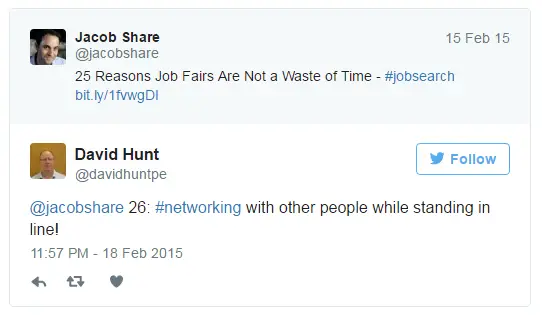
job fairs reasons to go tweet

Are career fairs worth going to? Absolutely, if you know what to look for.

Question of the article

What was your most memorable job fair and why? Tell us in the comments.

More reading, for and against

Free bonus

JobMob's Job Fair Success Guide explains why you should go to the fair with over 60 tips.

This free download contains:
  • 25 Reasons Job Fairs Are Not a Waste of Time
  • 35+ Job Fair Success Do’s and Don’ts
Click the image below to get access to JobMob's Job Fair Success Guide: The One Job Interview Resource You'll Ever Need download button

JobMob Insiders can get this free bonus and other exclusive content in the JobMob Insider Bonuses area. Join now, it's free!

Subscribe to JobMob via RSS or email and follow me on Twitter for more new ideas on classic job search tactics.


via JobMob More Information Here..

Thursday, 2 February 2017

๐Ÿ’ช 7 Things Recruiters Reproach Older Job Seekers And How To Respond

Job search is hard enough without these extra obstacles in your way.

7 Things Recruiters Reproach Older Job Seekers And How To Respond
Photo Credit: JD Hancock

The biggest hurdle older job seekers usually face is that many recruiters tend to be put off by their age.

While recent graduates struggle mainly with their lack of relevant experience, older job seekers unfortunately have a much longer list of prejudices stacked against them.

Lets look at some of the most common ones and how to deal with them.

Free bonus: The Midlife Job Search Report is a handy guide I compiled for older job seekers. Download it now.

1) Expensive

Employers perceive older job seekers to be more expensive to hire.

The prevailing notion in the market is that as an older worker, your salary expectations and use of healthcare benefits are higher. Naturally, you don’t want to undersell yourself. When asked about your preferred salary, give them a range you think they would be comfortable with, based on company research and job market research.

Another way to offset this is to highlight your years of experience and all relevant skills in explaining how you could save the company money by replacing the need for additional hires or retraining of current employees.

2) Outdated knowledge

Another widely held belief is, that as an older person, your skills and knowledge are not up to date anymore. This could be true for some people who’ve been “jobless and hopeless” for a longer time and haven’t been keeping up with the latest developments, or even people who have been employed for a long time but never given the chance to retrain or refresh their skills on the job. However, it doesn’t have to apply to you.

Make it your responsibility to keep your skills current and you won’t be rendered obsolete any time soon:

Find out which skills are currently in demand and are projected to be in demand over the coming year with regards to the job(s) you’d most like to get next. Then set aside some time every day to start learning or improving some of those skills, in part by showing them off publicly. As soon as you’re ready to answer expert questions about them, add them to your resume.

3) Not adaptable

By taking all the courses and training you need to keep your skills updated, you build up an unmistakable track record of adaptability that you can showcase during the application process. Do your homework about your desired position and the company you’re targeting, specifically. This way you’ll be armed with the background information necessary to show that you’re not stuck in old ways. It’s a good idea to describe yourself as a person who enjoys learning new things, whether in your resume or during the interview.

4) Unwilling to learn new things

A very common stereotype about older workers is that they’re unwilling to learn new things. However, all reasonable people understand that there are both tech-savvy and tech-shy people among all age groups.

Having an active brain and a willingness to learn is just a personal choice. If you can show the hiring managers that you’re taking classes, attending workshops and studying for a professional certification, then they won’t hold your age against you. However, if the stereotype does describe you, then now is the right time to adjust to the ever-changing knowledge economy by learning something new.

5) Less productive

Productivity is often associated with high energy and busywork. As we age, we tend to become somewhat less dynamic but this doesn’t mean that your skills are declining.

Over time, your strong points may shift to other areas. While you might be physically less powerful than the younger version of yourself, your semantic memory, pattern recognition, and language-related skills are likely to increase over time. And your biggest asset is arguably your many years of experience.

Research has shown that older people use their brain in a different way, which makes them able to perform just as highly as their younger colleagues. Using your brain more holistically has taught you to see the bigger picture, to distinguish the important from the unimportant. And focusing on the few things that matter the most is what productivity is all about.

6) More likely to have health issues

The reality is that aging is often associated with declining health, and many employers fear you’ll take more sick days than your younger colleagues.

It seems to be a valid concern, but the counter-intuitive truth is actually the opposite: older people actually take LESS sick days because they tend to lead more responsible lives. They have fewer things on their plate and know how to manage stress better. They have experiences with both ill health and good health, which has made them more in tune with their bodies and better able to manage their energy levels.

If you are a healthy and energetic person, make sure to list your hobbies in your resume and bring them up in job interviews. Address the health issue first and put their mind at ease by letting them know they have nothing to worry about.

7) Harder to manage

You can have 20 years of experience and a lengthy list of achievements, yet recruiters are still reluctant to hire you. Why is that?

They might fear that you have a chip on your shoulder when it comes to working with a younger boss, or simply – there it is again – that you’re set in your ways and aren’t open to newer ways.

If you really have the know-how the company needs, this will be less of an issue. The interviewer may still try to gauge your attitude by asking questions like “how do you feel about working with a younger boss?” and if you can tell a story where you successfully did so, or better yet, have references who are younger bosses, you’ll immediately calm their concerns.

Note: There is a poll embedded within this post, please visit the site to participate in this post's poll.

Bonus

8) Less geographically mobile

Some jobs require travel. There’s a belief that travel is something only more dynamic young people do, but we’re not talking about backpacking here.

Whether you prefer to never leave your hometown or not, depends on you. But as an older job seeker, you actually have an advantage over younger people: your children are most likely older or even grown up and living their own lives, no longer requiring you at home. There are probably less things tying you down.

This makes you a) more flexible about travel or even, relocation, and b) frees up a lot of mental energy you can now solely direct on your work. Depending on the job in mind, use this as one of your selling points, and assuage any worries of unexpected emergencies that people with small children might have.

Question of the article

Which of these hurdles have you come up against most? Tell us in the comments.

More reading

Free bonus

The Midlife Job Search Report is a handy guide I compiled to help older job seekers.

This free download contains:
  • 5 Common Mistakes Older Job Seekers Make
  • How To Defeat Any Form of Job Search Discrimination
  • How Older Job Seekers Beat These Common Stereotypes
  • 9 Real Reasons Overqualified Job Seekers are Rejected
  • 40 Tips for Older Job Seekers That Actually Get Results
Click the image below to get access to The Midlife Job Search Report: The One Job Interview Resource You'll Ever Need download button

JobMob Insiders can get this free bonus and other exclusive content in the JobMob Insider Bonuses area. Join now, it's free!

Extra bonus: What does the older worker bring?

Subscribe to JobMob via email and follow me on Twitter for more funny tips on good decisions for your future.


via JobMob More Information Here..